
Introduction
Around the world, millions of children face the harsh reality of growing up without parents or a stable family environment. Orphaned and abandoned children are among the most vulnerable groups in society, often deprived of basic rights such as shelter, food, healthcare, and education. To bridge this gap, orphanage NGOs (Non-Governmental Organizations) step in to provide care, protection, and opportunities for a brighter future. These organizations work tirelessly to ensure that no child is left behind and that every orphan has the chance to live with dignity, hope, and purpose.
This article explores the various services offered by orphanage NGOs, their significance in society, the challenges they face, and the impact they create on orphan children’s lives.
The Role of Orphanage NGOs
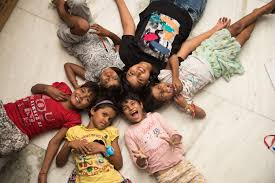
An orphanage NGO is not just a shelter for children but a holistic support system that nurtures and empowers young lives. Their role goes beyond providing basic needs; they focus on creating an environment where children can heal, grow, and thrive.
The primary roles of orphanage NGOs include:
-
Providing Shelter and Safety – Ensuring children have a secure environment free from abuse, exploitation, or neglect.
-
Access to Food and Nutrition – Offering healthy meals to promote physical and mental well-being.
-
Education Opportunities – Partnering with schools or running in-house classes to make education accessible.
-
Healthcare Services – Facilitating medical checkups, vaccinations, and mental health support.
-
Emotional and Social Development – Creating a family-like atmosphere where children feel loved and valued.
-
Skill Development – Preparing children for independence with vocational and life skills.
Core Services of Orphanage NGOs
1. Shelter and Basic Care
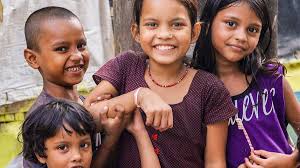
The most essential service provided by orphanage NGOs is offering a safe home. Many children who come to these organizations have faced homelessness, abuse, or abandonment. NGOs ensure that such children have a clean, nurturing environment where they can rebuild their sense of security.
2. Food and Nutrition
Malnutrition is a common issue among orphan children. NGOs address this by providing balanced meals and clean drinking water. Nutritionists and dieticians are sometimes consulted to ensure children receive adequate vitamins and minerals for proper growth.
3. Education and Learning Support
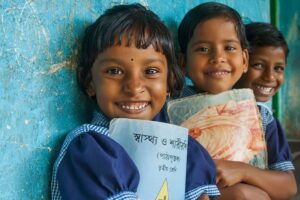
Education is the most powerful tool to break the cycle of poverty. Orphanage NGOs often partner with local schools, provide scholarships, or run their own educational programs. Apart from academic learning, children are encouraged to participate in extracurricular activities such as art, music, and sports.
4. Healthcare Services
Health is a major concern for orphan children. NGOs arrange medical camps, routine checkups, and vaccinations. In addition, they provide counseling and psychological support, since many children have experienced trauma and loss.
5. Emotional and Psychological Care
Beyond physical needs, emotional well-being is equally critical. Orphanage NGOs employ trained caregivers, social workers, and psychologists who help children cope with grief, fear, and insecurity. Group activities, play therapy, and mentorship programs provide children with a sense of belonging.
6. Skill Development and Vocational Training
As children grow older, they need skills to sustain themselves in the outside world. NGOs conduct training in areas such as computer literacy, tailoring, carpentry, cooking, or entrepreneurship. These programs prepare them to secure jobs or start small businesses when they step into adulthood.
7. Adoption and Foster Care Support
Many orphanage NGOs also act as facilitators for adoption and foster care. They work with government agencies and families to ensure that children find permanent homes where they can experience family life and long-term security.
Importance of Orphanage NGO Services
The work of orphanage NGOs holds immense importance for society:
-
Protecting Human Rights – They ensure every child’s right to survival, protection, and development.
-
Breaking the Cycle of Poverty – Education and skill training empower children to lead self-reliant lives.
-
Reducing Child Exploitation – NGOs safeguard children from child labor, trafficking, and abuse.
-
Building Responsible Citizens – By instilling values, education, and opportunities, they prepare children to contribute positively to society.
-
Supporting Governments – NGOs often complement government efforts by reaching underserved communities.
Challenges Faced by Orphanage NGOs
While their work is commendable, orphanage NGOs face numerous challenges:
-
Funding Issues – Many NGOs rely on donations and grants, which may be inconsistent.
-
Staffing Limitations – Finding qualified caregivers, teachers, and medical staff can be difficult.
-
Legal and Bureaucratic Barriers – Adoption procedures and child welfare laws often involve complex processes.
-
Psychological Trauma in Children – Healing children emotionally requires long-term professional support.
-
Social Stigma – Orphans sometimes face discrimination, making their integration into society more challenging.
Success Stories and Impact
Despite challenges, orphanage NGOs have transformed countless lives. Many children raised in NGOs have grown into successful professionals, social workers, and leaders who contribute positively to society. Stories of orphans becoming doctors, teachers, or entrepreneurs highlight the life-changing impact of these organizations.
How Society Can Support Orphanage NGOs
For orphanage NGOs to succeed, community participation is essential. Individuals and organizations can help by:
-
Donating funds, food, clothing, or school supplies.
-
Volunteering time to teach, mentor, or provide healthcare.
-
Sponsoring a Child to cover education and living expenses.
-
Spreading Awareness about orphan issues and NGO efforts.
-
Collaborating with NGOs to create skill development and employment opportunities.
follow me on instagram
Conclusion
Orphanage NGOs are a beacon of hope for children who have lost the warmth of family life. By offering shelter, education, healthcare, and emotional support, they transform despair into hope and potential. These services not only change the trajectory of individual lives but also strengthen the social fabric of entire communities.
Supporting orphanage NGOs means investing in the future of children who deserve love, care, and opportunity. When society comes together to empower these organizations, we move one step closer to building a world where every child, regardless of their circumstances, has a fair chance to dream and achieve.
