
Healthcare is one of the most essential pillars of human society, ensuring the well-being and survival of individuals and communities. Among the many components of the healthcare system, hospitals hold a central place. They are not only institutions where patients receive treatment for illnesses or injuries, but also centers for diagnosis, prevention, education, and research. In today’s fast-paced world where health challenges are increasing, hospitals have become indispensable for maintaining public health and improving quality of life.
This article explores the importance of hospitals in healthcare and explains why they are vital for individuals, families, and societies at large.
1. Primary Role of Hospitals in Patient Care
The most direct and visible role of hospitals is to provide patient care. People visit hospitals for a wide range of health concerns, from minor illnesses to life-threatening conditions. Unlike clinics or small medical centers, hospitals are equipped with advanced infrastructure, specialized doctors, nurses, and support staff to provide comprehensive treatment.
-
Outpatient Services (OPD): For general check-ups, diagnosis, and minor treatments.
-
Inpatient Services: For patients requiring admission, surgery, or long-term care.
-
Emergency Care: For accidents, strokes, heart attacks, and other urgent situations.
This combination ensures that hospitals act as one-stop centers for medical needs, making them the backbone of healthcare delivery.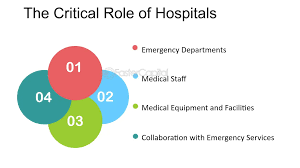
2. Hospitals as Centers of Diagnosis
Accurate diagnosis is the foundation of effective treatment. Hospitals are equipped with modern diagnostic technologies like X-rays, MRI, CT scans, ultrasounds, and laboratory tests. These facilities allow doctors to:
-
Detect diseases early.
-
Identify the exact cause of health problems.
-
Plan precise treatment strategies.
For example, detecting cancer in its early stage through hospital screening can save lives and reduce treatment costs. This shows how hospitals play a proactive role in preventing serious health issues.
3. Importance in Emergency and Critical Care
Emergencies can happen anytime — a road accident, sudden cardiac arrest, poisoning, or a natural disaster. Hospitals are the first line of defense in such critical situations.
-
Emergency Rooms (ER): Open 24/7 to handle urgent cases.
-
Intensive Care Units (ICU): Provide life support for critically ill patients.
-
Trauma Care Units: Specialized for accident victims and severe injuries.
Without hospitals, millions of people would lose their lives to conditions that require immediate intervention. Thus, hospitals are a lifeline in emergencies.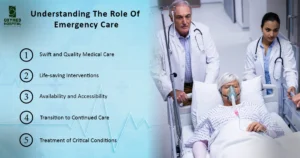
4. Role in Specialized Treatments
Hospitals are often classified into general hospitals and specialized hospitals. Specialized hospitals focus on particular areas such as:
-
Cardiology (heart care)
-
Oncology (cancer care)
-
Pediatrics (child healthcare)
-
Neurology (brain and nervous system)
-
Orthopedics (bone and joint care)
Such specialization ensures that patients receive expert-level care for complex conditions that cannot be treated at smaller healthcare facilities.
5. Contribution to Public Health
Beyond treating individual patients, hospitals contribute significantly to public health. They:
-
Conduct vaccination drives and immunization programs.
-
Offer health awareness campaigns on issues like hygiene, nutrition, and lifestyle diseases.
-
Monitor outbreaks of diseases such as dengue, malaria, or COVID-19, and assist governments in controlling them.
By promoting preventive care and spreading awareness, hospitals help reduce the overall disease burden in society.
6. Hospitals as Centers of Medical Research
Hospitals are not only treatment centers but also research hubs. Many large hospitals are linked with medical colleges and research institutions. They conduct studies on:
-
New medicines and vaccines.
-
Advanced surgical procedures.
-
Innovative medical technologies.
For example, during the COVID-19 pandemic, hospitals worldwide were central to clinical trials and vaccine development. This shows that hospitals play a role not just in healthcare delivery but also in shaping the future of medicine.

7. Training and Education of Healthcare Professionals
Hospitals serve as training grounds for doctors, nurses, and paramedics. Through medical colleges attached to hospitals, future healthcare professionals learn practical skills in real-life settings. Internships, residencies, and nursing training programs ensure that hospitals keep producing skilled professionals who will serve society in the future.
Without hospitals, medical education would be incomplete, and the healthcare system would lack trained manpower.

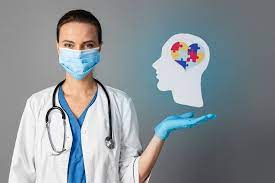
8. Mental Health and Rehabilitation
Modern hospitals increasingly recognize that health is not only physical but also mental and emotional. Many hospitals have specialized departments for mental health, counseling, and psychiatry. They also provide:
-
Rehabilitation services for patients recovering from surgery, injury, or addiction.
-
Physiotherapy for mobility and strength recovery.
-
Psychological support for trauma and chronic illness patients.
This holistic approach ensures that patients heal completely and can reintegrate into normal life.
9. Economic and Social Importance
Hospitals also have a significant economic and social impact. They create thousands of jobs for doctors, nurses, technicians, cleaners, and administrative staff. They also support industries like pharmaceuticals, medical equipment, and health insurance.
On a social level, hospitals provide a sense of security to communities. Knowing that quality healthcare is accessible nearby gives people confidence to live and work productively.

10. The Future of Hospitals in Healthcare
With rapid advancements in technology, the role of hospitals is evolving:
-
Telemedicine: Offering consultations online.
-
Robotics and AI: Helping in surgeries and diagnosis.
-
Electronic Health Records: Making patient data accessible and accurate.
-
Smart Hospitals: Using automation for efficiency.
Hospitals of the future will be more patient-centered, technology-driven, and preventive in nature, ensuring better health outcomes for everyone.
Follow For More On Instagram
Conclusion
Hospitals are the heart of the healthcare system. They provide immediate treatment, advanced diagnosis, specialized care, and emergency services. Beyond that, they promote public health, educate future medical professionals, conduct groundbreaking research, and support mental and physical rehabilitation.
In short, the importance of hospitals in healthcare cannot be overstated. They not only save lives but also enhance the quality of life, strengthen societies, and contribute to national development. As healthcare challenges grow, hospitals will continue to evolve, becoming smarter and more efficient, but their core mission will always remain the same: caring for people and saving lives.
