
Nike, the world’s leading sportswear and footwear brand, is not just recognized for its innovative designs and marketing strategies but also for its highly efficient supply chain and logistics network. The company has successfully built one of the most advanced supply chain systems in the retail and footwear industry, allowing it to meet the demands of millions of customers worldwide. Understanding Nike’s supply chain and logistics provides valuable insights into how global businesses can optimize operations, reduce costs, and improve customer satisfaction.

1. Overview of Nike’s Supply Chain
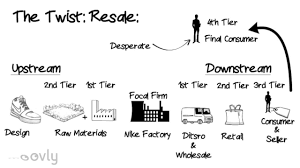
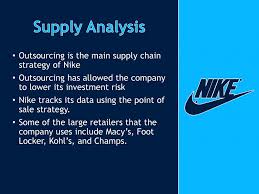
Nike operates in over 190 countries, with its headquarters in Beaverton, Oregon, USA. Unlike some companies that manufacture their own products, Nike follows a global outsourcing model. This means the company designs and markets footwear, apparel, and equipment, but the majority of manufacturing is outsourced to third-party suppliers, primarily located in Asia.
Nike’s supply chain can be broken down into four major stages:
-
Design and Product Development – Conducted mainly in the U.S. and Europe.
-
Manufacturing and Sourcing – Outsourced to factories in countries like Vietnam, China, Indonesia, and Thailand.
-
Distribution and Warehousing – Managed through a network of global distribution centers.
-
Retail and E-commerce Delivery – Products are sold through Nike’s own outlets, partner retailers, and online platforms.
This network ensures flexibility and scalability, enabling Nike to quickly adapt to global market trends.
2. Nike’s Global Manufacturing and Sourcing
Nike’s supply chain success is largely dependent on its global sourcing strategy. The company partners with over 500 factories worldwide, with the majority located in Asia. Vietnam alone accounts for more than half of Nike’s footwear production.
Key aspects of Nike’s sourcing strategy include:
-
Low-cost labor advantage – Countries like Vietnam and Indonesia offer cost-effective manufacturing solutions.
-
Specialized expertise – Asian factories have decades of experience in footwear and apparel production.
-
Diversification of suppliers – Nike does not rely on a single country or factory, reducing risks associated with political instability or labor disputes.
-
Sustainability initiatives – Nike emphasizes environmentally friendly practices, such as using recycled materials and reducing carbon emissions across its supply chain.
3. Logistics Network of Nike
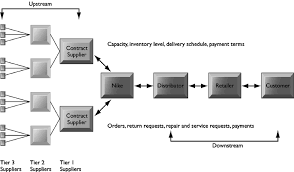
Nike’s logistics system is designed to move products seamlessly from manufacturers to end customers. The network consists of:
-
Global Distribution Centers (GDCs) – Located strategically in North America, Europe, and Asia to cover regional demands.
-
Regional Warehouses – Support local markets and ensure faster delivery to retail outlets.
-
Transportation Modes – Nike relies on a mix of sea, air, rail, and road transport to balance cost efficiency with speed.
-
Third-party logistics (3PL) providers – Nike collaborates with logistics partners like UPS and DHL to streamline global shipments.
One of Nike’s major logistics achievements is its ability to reduce lead times. Traditionally, footwear manufacturing took months from design to retail shelves. Today, with digital tools and advanced planning, Nike can bring products to market much faster.
4. Role of Technology in Nike’s Supply Chain
Technology plays a critical role in strengthening Nike’s supply chain. Some of the major digital innovations include:
-
RFID (Radio Frequency Identification) Tags – Used across retail stores and warehouses to track inventory in real-time.
-
Data Analytics and AI – Nike analyzes customer demand, seasonal trends, and buying behavior to optimize production schedules.
-
Nike Digital Manufacturing Cloud – A system designed to integrate manufacturing and logistics, ensuring faster product development and delivery.
-
Automation in Warehouses – Robotics and automated sorting systems are used in distribution centers to reduce manual errors and improve efficiency.
By embracing digital transformation, Nike has built a more agile, transparent, and customer-focused supply chain.
5. Sustainability in Nike’s Supply Chain
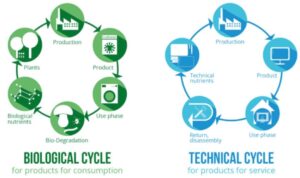
Sustainability has become a central theme in Nike’s operations. The company has committed to achieving zero carbon and zero waste across its global supply chain. Some of the key sustainability initiatives include:
-
Move to Zero Campaign – Nike’s flagship sustainability program focusing on renewable energy and circular design.
-
Use of Recycled Materials – Many Nike shoes and apparel now incorporate recycled polyester and sustainable cotton.
-
Efficient Transportation – Nike invests in optimizing routes and using eco-friendly carriers to reduce carbon footprints.
-
Factory Compliance Standards – Nike ensures suppliers meet strict labor, safety, and environmental standards.
This focus on sustainability not only enhances brand reputation but also ensures long-term efficiency and resilience in the supply chain.

6. Challenges in Nike’s Supply Chain
Like any global corporation, Nike faces several challenges in managing its vast supply chain:
-
Global Disruptions – Events like the COVID-19 pandemic and geopolitical conflicts have impacted production and shipping.
-
Rising Labor Costs – While Asia remains cost-effective, wages are gradually increasing.
-
Environmental Concerns – Pressure from regulators and consumers to reduce carbon emissions.
-
Supply Chain Complexity – Managing thousands of products across multiple continents requires advanced coordination.
Despite these challenges, Nike continues to innovate and strengthen its supply chain through strategic planning and partnerships.
7. The Future of Nike’s Supply Chain
Looking ahead, Nike’s supply chain and logistics will likely focus on:
-
Nearshoring and Regional Manufacturing – To reduce dependence on Asia and cut shipping times, Nike is exploring local production facilities closer to key markets.
-
Greater Automation – Robotics, AI, and machine learning will continue to improve efficiency.
-
Direct-to-Consumer (D2C) Growth – Nike is investing heavily in e-commerce and digital platforms, requiring more agile logistics solutions.
-
Advanced Sustainability Measures – Circular economy models, recycling programs, and renewable energy adoption will play a larger role.
Nike’s supply chain will evolve to balance cost efficiency, speed, and sustainability while keeping customer satisfaction at its core.
follow for more on instagram
Conclusion
Nike’s supply chain and logistics system is one of the most sophisticated in the world. By outsourcing manufacturing, leveraging global logistics partners, adopting digital technologies, and prioritizing sustainability, Nike has built a network that supports its leadership in the footwear and apparel industry. Despite challenges like global disruptions and rising costs, Nike continues to set benchmarks in supply chain management.
For businesses and supply chain professionals, Nike’s model offers key lessons: diversify sourcing, invest in technology, embrace sustainability, and always stay adaptable to market changes. This combination is what allows Nike to “Just Do It” not only in sports but also in global business operations.
