
Real Estate is one of the most powerful wealth-building tools in the world, offering opportunities for financial security, long-term growth, and personal satisfaction. Whether you are a first-time buyer, a seasoned investor, or someone simply curious about property, Real Estate has endless potential to help you achieve your goals. In this guide, we simplify the complex world of Real Estate and show you how to make smart investment decisions.
Understanding Real Estate Basics
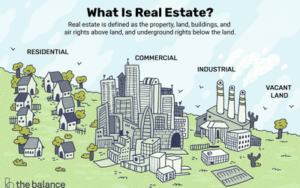
Real Estate refers to land, buildings, and property rights that can be bought, sold, or leased. The Real Estate industry is vast, covering residential homes, commercial spaces, industrial facilities, and even agricultural land. Unlike other investment options such as stocks or bonds, Real Estate provides a tangible asset that not only appreciates in value but also generates rental income. This dual benefit makes Real Estate a highly attractive option for investors worldwide.

Why Invest in Real Estate?
Real Estate investment is considered one of the safest and most stable wealth-building strategies. Unlike volatile markets, Real Estate tends to grow steadily over time, making it a reliable choice for risk-averse investors. Additionally, Real Estate offers tax benefits, passive income opportunities, and protection against inflation. For many, investing in Real Estate means building generational wealth while also enjoying the pride of owning property.

Types of Real Estate Investments
When exploring Real Estate, it is important to understand the different categories of investment:
-
Residential Real Estate: Homes, apartments, and condos meant for living.
-
Commercial Real Estate: Office spaces, retail shops, and malls designed for business activities.
-
Industrial Real Estate: Warehouses, factories, and logistics facilities.
-
Land Investments: Undeveloped land purchased for future development or resale.
Each type of Real Estate comes with its own benefits and risks, so choosing the right category depends on your goals and budget.
How to Start in Real Estate
For beginners, entering the Real Estate market may feel overwhelming. The first step is to define your investment objectives: are you looking for long-term rental income, quick profits through flipping, or steady appreciation? Next, research the local Real Estate market to understand property prices, demand trends, and growth potential. It is also important to arrange your finances, as Real Estate often requires a significant upfront investment or mortgage support.

Financing Real Estate Investments
Real Estate investments require careful financial planning. Buyers can use savings, home loans, or partnerships to fund their purchases. Many investors rely on mortgages to leverage their Real Estate investments, meaning they can control a high-value property with relatively small initial capital. Banks and financial institutions offer various loan options tailored to Real Estate buyers, making it easier to enter the market.

Key Benefits of Real Estate
Real Estate provides multiple advantages compared to other forms of investment:
-
Tangible Asset – Unlike shares or digital assets, Real Estate is a physical property you can see and use.
-
Appreciation – Property values generally increase over time, creating long-term wealth.
-
Rental Income – Real Estate can generate steady cash flow from tenants.
-
Tax Benefits – Governments often provide tax deductions on mortgage interest and maintenance.
-
Leverage – You can borrow money to buy Real Estate and benefit from returns on a larger asset.
These benefits make Real Estate an excellent option for both small and large investors.

Risks in Real Estate Investments
While Real Estate is rewarding, it is not without risks. Property values can fluctuate due to market conditions, economic downturns, or government regulations. Additionally, Real Estate investments may require ongoing maintenance, property taxes, and tenant management. Investors should always perform due diligence before entering into Real Estate deals, ensuring that they understand the risks and have a backup strategy.
Real Estate Market Trends
Keeping an eye on Real Estate trends is essential for making informed decisions. In recent years, there has been growing demand for urban housing, co-working spaces, and luxury Real Estate. Technology is also transforming the industry through virtual property tours, AI-driven valuations, and online Real Estate platforms. Investors who stay updated with these trends can identify opportunities early and maximize their profits.
Tips for Successful Real Estate Investment
To succeed in Real Estate, consider the following tips:
-
Research the neighborhood and its future development plans.
-
Compare Real Estate prices before making a decision.
-
Diversify your Real Estate portfolio across residential, commercial, and land.
-
Focus on properties with high rental demand.
-
Work with trusted Real Estate agents and legal advisors.
By following these strategies, you can reduce risks and increase your chances of success in Real Estate.
The Future of Real Estate
Real Estate is constantly evolving, influenced by technology, population growth, and economic shifts. Smart homes, green Real Estate, and co-living spaces are emerging as popular choices for modern buyers. Investors who adapt to these changes and explore innovative Real Estate opportunities will remain ahead in the competitive property market.
Conclusion
Real Estate is more than just buying property—it is about building wealth, securing financial stability, and creating opportunities for the future. Whether you are purchasing your first home, renting out apartments, or investing in commercial Real Estate, this industry offers countless possibilities for growth. By understanding the basics, analyzing trends, and making smart financial decisions, you can succeed in Real Estate and enjoy long-term rewards.
follow for more in instagram